

MASSACHUSETTS FOSSIL-FUEL FREE BUILDING REQUIREMENTS BY TOWN
Massachusetts’ Municipal Fossil Fuel-Free Building Demonstration Program is changing how homes are designed, renovated, and built across select communities. If your project is located in one of these towns, understanding when all-electric requirements apply, and how they impact energy code compliance, is critical.
WHAT IS THE PROGRAM?
The Massachusetts Municipal Fossil Fuel-Free Building Demonstration Program allows a limited number of communities to adopt local ordinances that restrict or eliminate the use of fossil fuels in certain building projects.
In participating towns, new construction and qualifying renovations and additions must typically be designed as all-electric buildings, using systems such as heat pumps for heating, cooling, and hot water.
While the program is established at the state level, each municipality adopts its own version of the requirements, which means the specific rules can vary depending on where the project is located.
For homeowners, builders, and architects, this creates an added layer of complexity, especially when projects also need to comply with the Massachusetts Stretch Energy Code or Specialized Code using a HERS rating.
WHICH TOWNS PARTICIPATE?
The Massachusetts Municipal Fossil Fuel-Free Building Demonstration Program currently includes a limited number of participating communities. These towns have adopted local requirements that restrict or eliminate fossil fuel systems in certain types of construction and renovation projects.
Current participating communities include:
Concord
Lincoln
Acton
Aquinnah
Northampton
Cambridge
Newton
Lexington
Arlington
Brookline
While all of these communities fall under the same state program, requirements vary by municipality. This means the specific rules, including when electrification is required and how it applies to additions or renovations, can vary from one municipality to another.
Because of these differences, it’s important to understand how your specific town applies fossil fuel-free requirements before finalizing design, equipment selections, or permitting strategy.
WHAT THIS MEANS FOR YOUR PROJECT
If your project is located in a participating community, fossil fuel-free requirements can significantly impact both design and construction. These requirements are typically triggered based on project type and scope.

NEW CONSTRUCTION
Most participating towns require fully all-electric new homes, meaning:
No on-site fossil fuel systems for heating, hot water, cooking, and clothes drying
Electric heat pumps for heating and cooling
Electric heat pump hot water systems
Electric cooking appliances and dryers
NEW CONSTRUCTION
Most participating towns require fully all-electric new homes, meaning:
No on-site fossil fuel systems for heating, hot water, cooking, and clothes drying
Electric heat pumps for heating and cooling
Electric heat pump hot water systems
Electric cooking appliances and dryers

RENOVATIONS
A HERS rating is required when a renovation:
Affects more than 1,000 square feet, or
Involves work equal to or greater than 100% of the existing conditioned floor area (CFA)
When these thresholds are met, the entire dwelling unit must achieve a compliant HERS rating.
In fossil fuel-free communities, projects of this scale may also trigger electrification requirements, depending on the municipality.
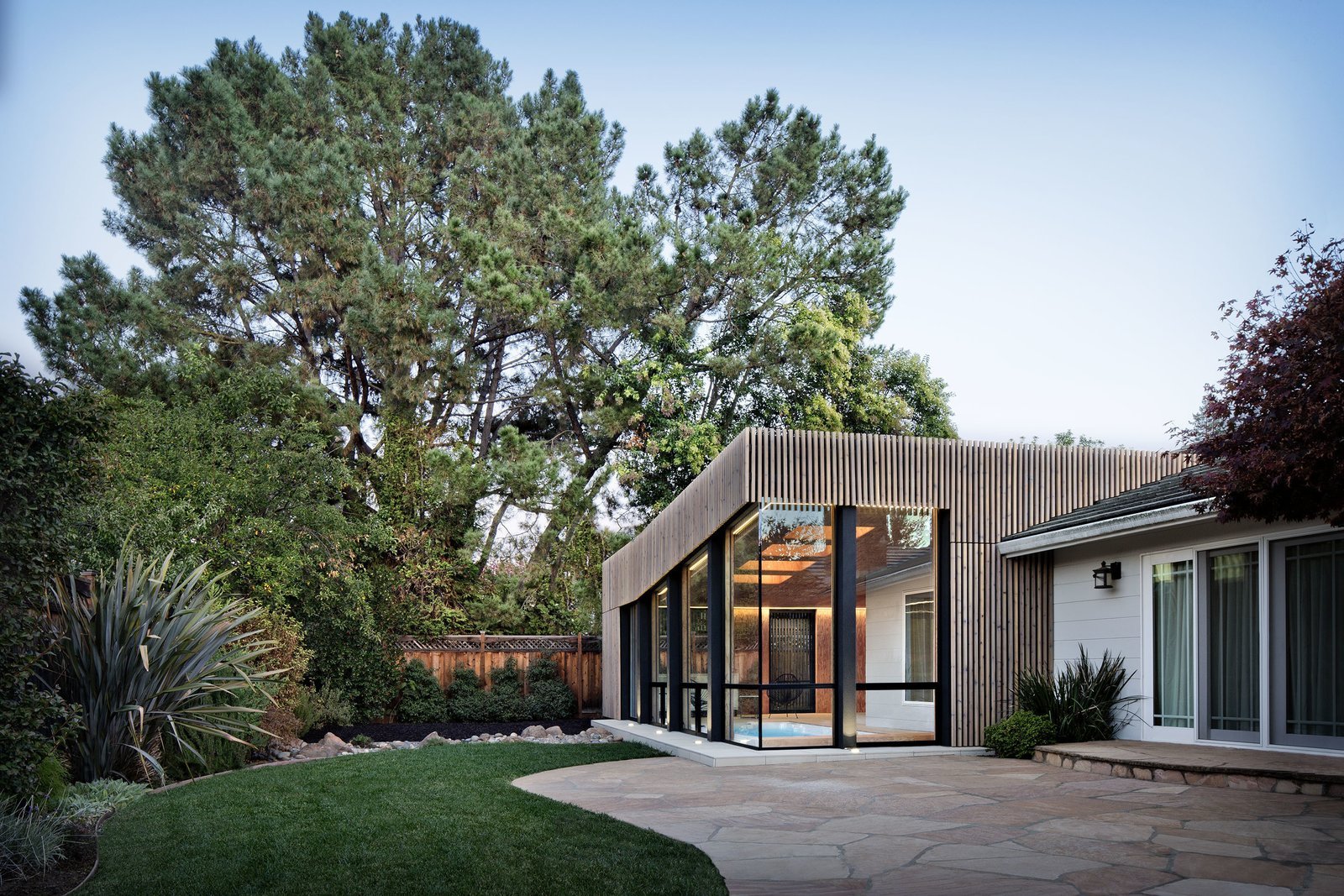
ADDITIONS
A HERS rating is required when an addition:
Exceeds 1,000 square feet, or
Increases the home’s conditioned floor area (CFA) by more than 100%
When triggered, the entire combined dwelling unit (existing + addition) must meet the applicable HERS Index requirements.
Exception: Converting existing unconditioned basement or attic space to conditioned space may not require a HERS rating if the thermal boundary is simply relocated.
In participating communities, additions of this size often act as a trigger for all-electric design requirements.
ADDITIONS
A HERS rating is required when an addition:
Exceeds 1,000 square feet, or
Increases the home’s conditioned floor area (CFA) by more than 100%
When triggered, the entire combined dwelling unit (existing + addition) must meet the applicable HERS Index requirements.
Exception: Converting existing unconditioned basement or attic space to conditioned space may not require a HERS rating if the thermal boundary is simply relocated.
In participating communities, additions of this size often act as a trigger for all-electric design requirements.
HOW FOSSIL-FREE REQUIREMENTS
IMPACT YOUR PROJECT
In fossil fuel-free communities, projects that trigger a HERS rating are often subject to additional electrification requirements, depending on the municipality.
When a project crosses HERS thresholds:
Existing fossil fuel systems (heating, hot water, and sometimes cooking) may be required to be replaced with all-electric alternatives
Partial electrification may not be allowed, even if only part of the home is being renovated or added to
The project may need to be designed as a fully all-electric home, regardless of existing conditions
Because these requirements are applied at the local level, the extent of electrification can vary by town. Some communities allow limited existing systems to remain outside the scope of work, while others require full electrification once a project is triggered.
Early coordination is critical. Understanding how HERS requirements and local fossil fuel-free rules interact can help avoid:
Unexpected system replacements
Redesign during construction
Delays in permitting or final certification
COMMON MISTAKES
Fossil fuel-free requirements introduce new challenges that can easily be overlooked.
ASSUMING ALL TOWNS FOLLOW THE SAME RULES
Each municipality applies fossil fuel-free requirements differently. What’s allowed in one town may not comply in another.
WAITING TOO LONG TO INVOLVE A HERS RATER
Projects evolve during construction. Without early modeling and ongoing coordination, changes can lead to compliance issues late in the process.
NOT PLANNING FOR ELECTRIFICATION EARLY
All-electric homes require coordination between electrical capacity, HVAC design, and equipment selection, decisions that should happen during design, not construction.
UNINTENTIONALLY TRIGGERING REQUIREMENTS
Large additions or combined scopes of work can push a project over thresholds that require both a HERS rating and full electrification.

PLAN FOR COMPLIANCE
1. Confirm your town’s requirements early
Understand whether your project may trigger electrification before design begins.
2. Bring in a HERS rater during design
Early modeling helps align the home’s layout, systems, and performance targets.
3. Coordinate across trades
Architect, builder, HVAC contractor, and HERS rater should be aligned from the start.
4. Assume an all-electric outcome when planning
Even if not initially required, many projects move in this direction once thresholds are met.
PLAN FOR COMPLIANCE
1. Confirm your town’s requirements early
Understand whether your project may trigger electrification before design begins.
2. Bring in a HERS rater during design
Early modeling helps align the home’s layout, systems, and performance targets.
3. Coordinate across trades
Architect, builder, HVAC contractor, and HERS rater should be aligned from the start.
4. Assume an all-electric outcome when planning
Even if not initially required, many projects move in this direction once thresholds are met.
PLANNING A PROJECT
IN A FOSSIL-FUEL FREE COMMUNITY?
Navigating fossil fuel-free requirements and HERS rating thresholds can be complex, especially as project scope evolves.
Working with a certified HERS rater early in the process helps ensure your project is designed to meet both energy code requirements and local electrification rules, without costly changes later.
Spectrum Energy works with homeowners, builders, and architects across Eastern Massachusetts to provide accurate HERS ratings and clear guidance from design through final certification.
Contact Spectrum Energy to discuss your project and confirm compliance early in design.

RELATED RESOURCES
For more information on HERS ratings and Massachusetts energy code requirements, explore:
WHAT OTHERS ARE SAYING

FAQs
-
It depends on the project and the town. Some municipalities allow existing systems to remain outside the scope of work, while others require full electrification once certain triggers are met.
-
Projects in participating towns are reviewed for compliance with local fossil fuel-free requirements in addition to state energy code. This can impact design, system selection, and approval timelines.
-
As early as possible. Early involvement helps ensure your project is designed to meet energy code requirements and avoids costly changes later.
-
Not necessarily. Requirements depend on the type of project, scope of work, and the specific town’s ordinance. New construction is typically all-electric, while renovations and additions may trigger requirements based on size and scope.
-
This varies by municipality, but is often based on the percentage of the home being altered. Some towns use thresholds around 50% of the building area.
-
In many cases, yes. Some towns apply thresholds (such as additions over 1,000 sq ft), while others evaluate the total scope of work.
FAQs
-
It depends on the project and the town. Some municipalities allow existing systems to remain outside the scope of work, while others require full electrification once certain triggers are met.
-
Projects in participating towns are reviewed for compliance with local fossil fuel-free requirements in addition to state energy code. This can impact design, system selection, and approval timelines.
-
As early as possible. Early involvement helps ensure your project is designed to meet energy code requirements and avoids costly changes later.
-
Not necessarily. Requirements depend on the type of project, scope of work, and the specific town’s ordinance. New construction is typically all-electric, while renovations and additions may trigger requirements based on size and scope.
-
This varies by municipality, but is often based on the percentage of the home being altered. Some towns use thresholds around 50% of the building area.
-
In many cases, yes. Some towns apply thresholds (such as additions over 1,000 sq ft), while others evaluate the total scope of work.