

MANUAL J CALCULATIONS FOR HIGH-PERFORMANCE MA HOMES
HVAC load calculations based on real building performance data and energy modeling for high-performance homes, Stretch Code, and Specialized Opt-In Code compliance.
WHAT IS A MANUAL J CALCULATION?
A Manual J calculation is the industry-standard method used to determine how much heating and cooling a home actually requires. It is the foundation of proper HVAC system design and is commonly required for Massachusetts Stretch Code and Specialized Opt-In Code compliance.
WHAT IS A MANUAL J CALCULATION?
A Manual J calculation is the industry-standard method used to determine how much heating and cooling a home actually requires. It is the foundation of proper HVAC system design and is commonly required for Massachusetts Stretch Code and Specialized Opt-In Code compliance.

WHAT DO MANUAL J’S EVALUATE?
Manual J evaluates the building based on real conditions, including:
Conditioned floor area and building volume
Insulation levels in walls, roofs, floors, foundations, etc.
Window performance (U-factor and solar gain)
Air leakage and infiltration assumptions
Orientation and shading
Ventilation systems
Massachusetts climate data
WHY ACCURATE HVAC SIZING MATTERS
Many HVAC systems in residential construction are oversized. This often comes from outdated sizing methods developed for older, leakier homes.
Manual J calculations use the actual thermal performance of the home to size HVAC systems more accurately for comfort, efficiency, humidity control, and long-term performance.
Modern homes include:
Improved air sealing
Higher insulation levels
Better-performing windows
Mechanical ventilation systems
Lower heating and cooling loads
Oversized systems can lead to:
Higher upfront costs for unnecessarily large equipment
Poor humidity control
Short cycling and uneven temperatures
Reduced efficiency
Increased equipment wear
Systems should match the home
HVAC systems should be sized to match the actual thermal performance of the home. This is especially important in high-performance and electrification projects.
WHY WORK WITH
A HERS RATER
The accuracy of a Manual J calculation depends entirely on the quality of the building inputs.
As HERS raters, we already model the same building-performance data used for energy-code compliance and high-performance home design.
This includes, but is not limited to:
Conditioned floor area (CFA) and building volume
Insulation in building assemblies
Window and appliance specifications
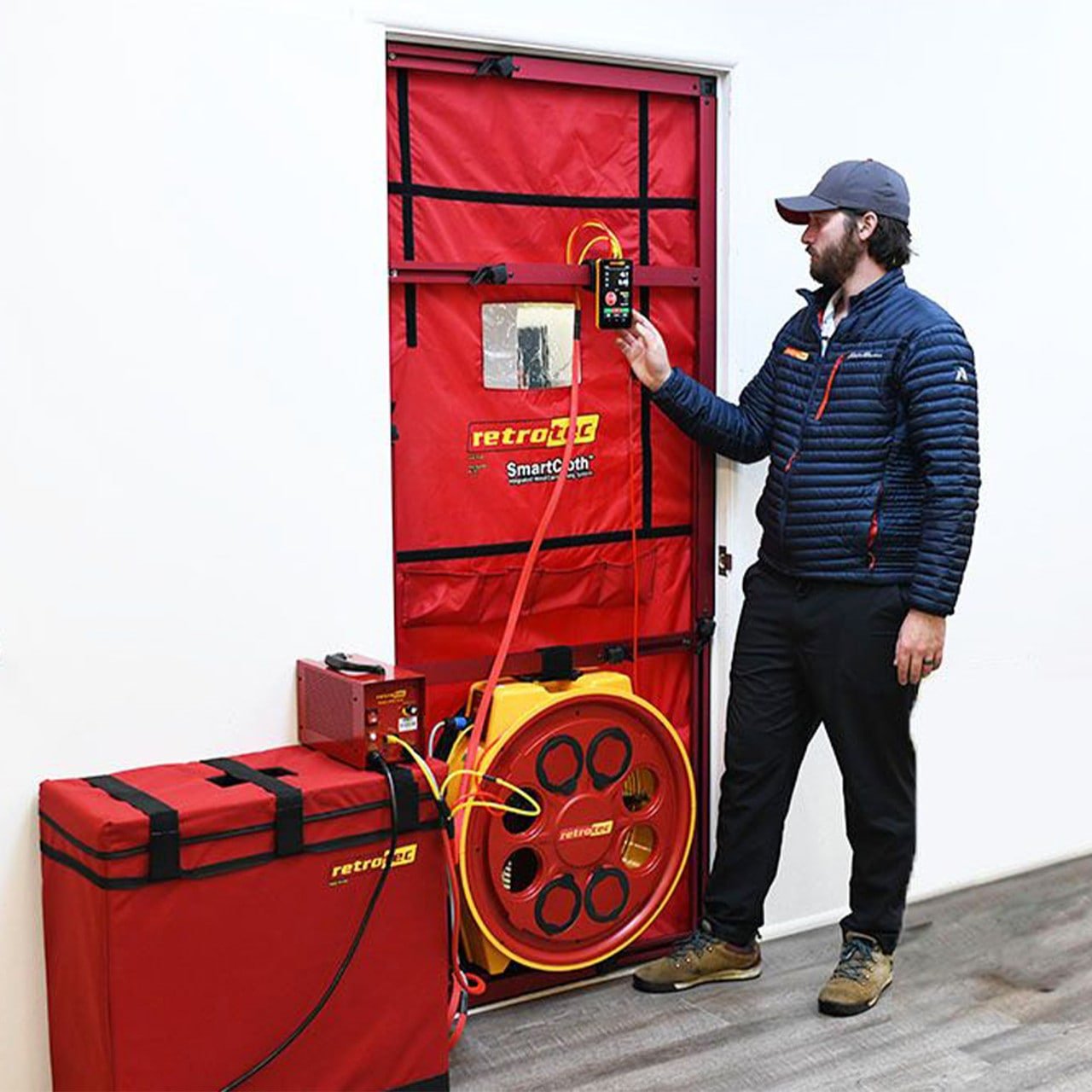
Air leakage results (blower door testing)
Mechanical ventilation systems
Orientation and shading
WHY WORK WITH
A HERS RATER
The accuracy of a Manual J calculation depends entirely on the quality of the building inputs.
As HERS raters, we already model the same building-performance data used for energy-code compliance and high-performance home design.
This includes, but is not limited to:
Conditioned floor area (CFA) and building volume
Insulation in building assemblies
Window and appliance specifications
Air leakage results (blower door testing)
Mechanical ventilation systems
Orientation and shading

ACCURATE CALCULATIONS START WITH ACCURATE INPUTS
Because this data is already part of our modeling process, we can produce highly accurate HVAC load calculations without relying on generalized assumptions.
This results in a more consistent and reliable approach to HVAC load calculations.
Learn more about our Massachusetts HERS Rating services and the building-performance modeling process behind our HVAC load calculations.
REQUEST A MANUAL J CALCULATION
If you are planning a major renovation, addition, or new construction project in Massachusetts, you can submit your project details for a Manual J load calculation.
We review your building information to understand the scope of work and provide a project-specific estimate.
No work begins until the scope is reviewed, the estimate is approved, and the service is formally authorized.
Once approved, we perform the Manual J calculation using detailed, project-specific building data.


MANUAL S AND EQUIPMENT SELECTION
Once a Manual J load calculation is complete, Manual S is used to select properly sized HVAC equipment.
This ensures the system can meet the calculated heating and cooling loads under real operating conditions.
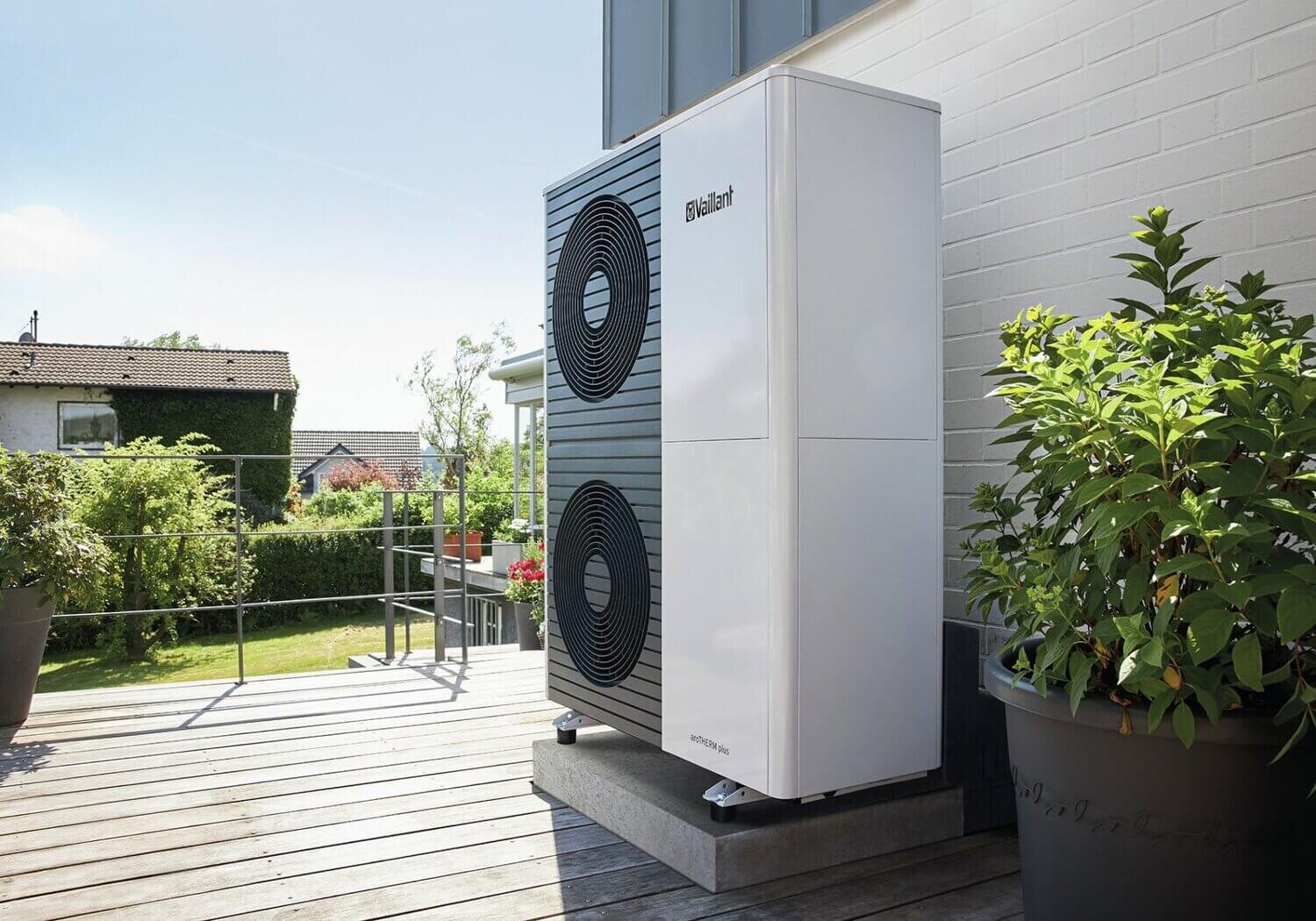
This is especially important for cold-climate heat pumps in Massachusetts, where heating capacity varies significantly at lower outdoor temperatures.
Proper equipment selection helps support:
Reliable heating during winter conditions
Effective cooling and humidity control in summer
Efficient operation across seasons

FREQUENTLY ASKED QUESTIONS
-
Many new construction projects, additions, and major renovations in Massachusetts require HVAC load calculations as part of energy-code compliance documentation.
Manual J is the industry-standard method used to calculate heating and cooling loads, while Manual S is used for equipment selection.
-
Square-footage rules of thumb often oversize HVAC systems, especially in newer or high-performance homes.
Modern Massachusetts homes typically include better insulation, improved air sealing, and higher-performance windows, all of which reduce heating and cooling loads.
Manual J calculations use actual building data to determine how much heating and cooling the home truly requires.
-
Cold-climate heat pumps can perform very differently at lower outdoor temperatures.
Manual S compares the calculated heating and cooling loads from Manual J with manufacturer performance data to help ensure the selected equipment is appropriate for Massachusetts design conditions.
Proper equipment selection can improve comfort, efficiency, and overall system performance.
-
Yes.
Oversized HVAC systems often short cycle, meaning they turn on and off too quickly. During the summer, this can reduce humidity removal and leave the home feeling cool but uncomfortable.
Oversized systems can also reduce efficiency, increase equipment wear, and create uneven temperatures throughout the home.
-
Typical project information includes:
Architectural plans
Window specifications
Insulation values
Ventilation details
Air-leakage assumptions or targets
Mechanical system information
As HERS raters, we often already model much of this information for energy-code compliance and high-performance home analysis.
-
Manual J calculations and HERS ratings rely on many of the same building-performance inputs, including insulation levels, windows, orientation, building volume, and air leakage assumptions.
Because we already analyze this information as part of the HERS process, we can develop more detailed HVAC load calculations using project-specific building data.