

CERTIFIED DIAGNOSTIC TESTING FOR HERS & CODE COMPLIANCE
We quantify air leakage, duct performance, and ventilation to ensure your project meets MA energy codes, qualifies for maximum Mass Save rebates, and delivers superior comfort.
ESTABLISHING A HOME’S ENERGY PROFILE
A HERS Rating takes a comprehensive look at how a home uses energy, evaluating everything from insulation and air sealing to heating, cooling, hot water systems, windows, lighting, and even solar. Every component plays a role in overall efficiency, and the rating provides a clear benchmark to help homeowners, builders, and code officials make informed decisions. Whether the goal is meeting code requirements, lowering energy costs, or improving comfort, a HERS Rating offers a data-driven roadmap to better performance.
A key part of this evaluation is diagnostic testing, with a focus on three critical areas—envelope leakage, duct leakage, and mechanical ventilation. These tests remove the guesswork, quantifying air leakage, inefficiencies, and ventilation imbalances that can impact energy use, comfort, and indoor air quality.



ENVELOPE LEAKAGE
& AIR TIGHTNESS
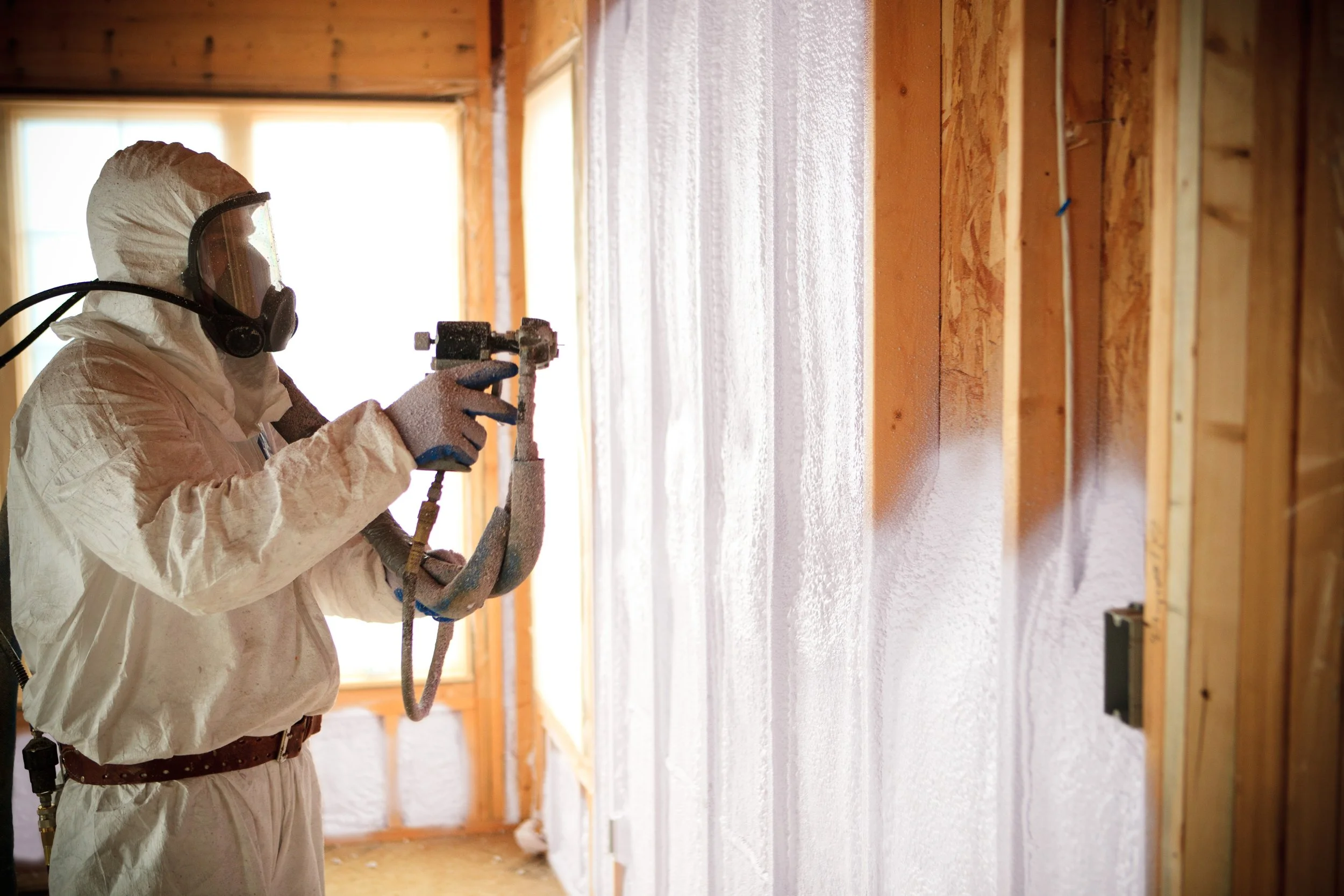
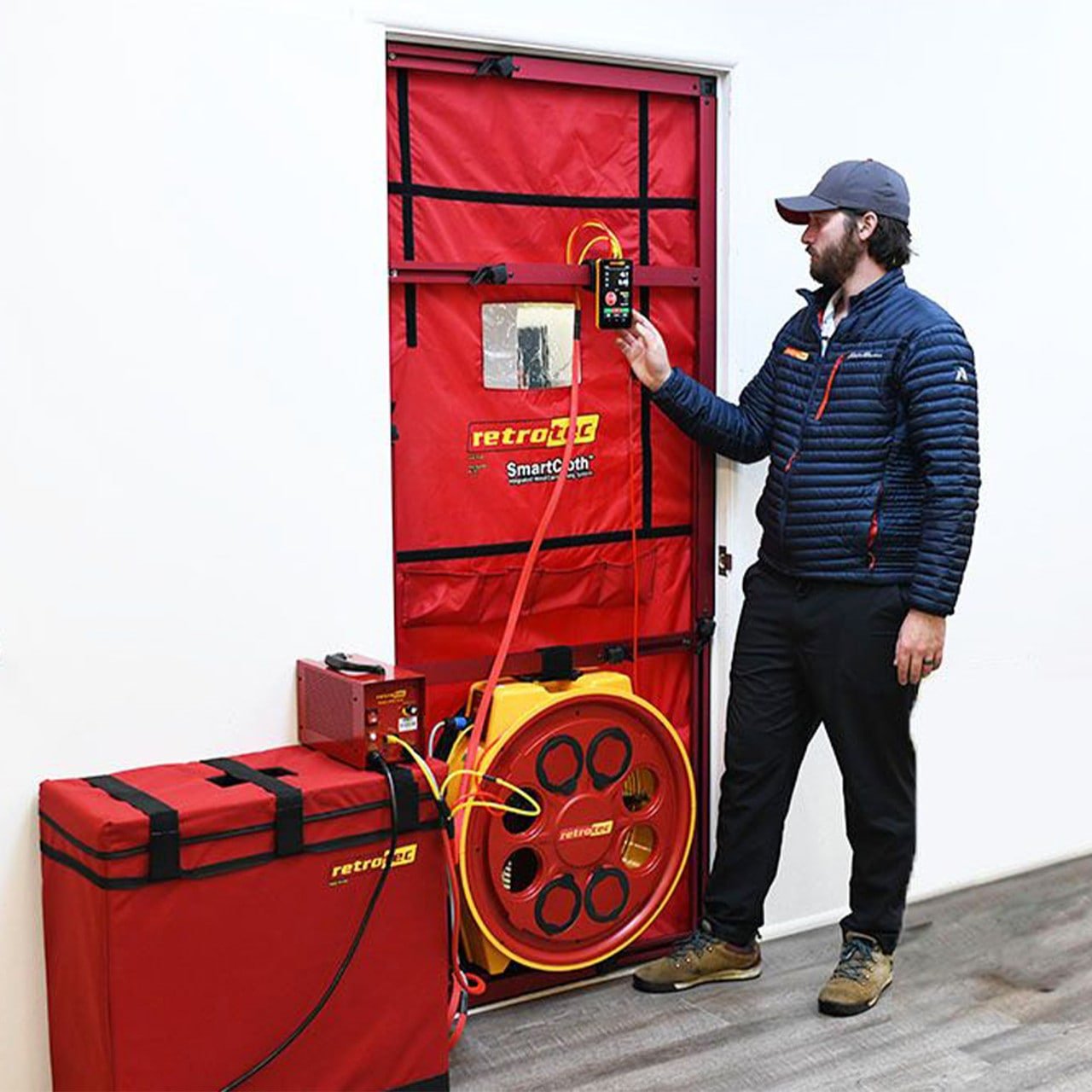
A blower door test measures a home’s airtightness and air leakage — a key input for accurate HERS energy modeling. By pressurizing or depressurizing the home with a calibrated fan, we identify air leaks through gaps, cracks, and other weak points in the building envelope. We may also perform zone pressure testing to pinpoint specific rooms or areas that require extra attention. Addressing these leaks improves energy efficiency, enhances comfort, and ensures compliance with Massachusetts energy codes.
ENVELOPE LEAKAGE
& AIR TIGHTNESS
A blower door test measures a home’s airtightness and air leakage — a key input for accurate HERS energy modeling. By pressurizing or depressurizing the home with a calibrated fan, we identify air leaks through gaps, cracks, and other weak points in the building envelope. We may also perform zone pressure testing to pinpoint specific rooms or areas that require extra attention. Addressing these leaks improves energy efficiency, enhances comfort, and ensures compliance with Massachusetts energy codes.
DUCTWORK LEAKAGE TESTING & EFFICIENCY
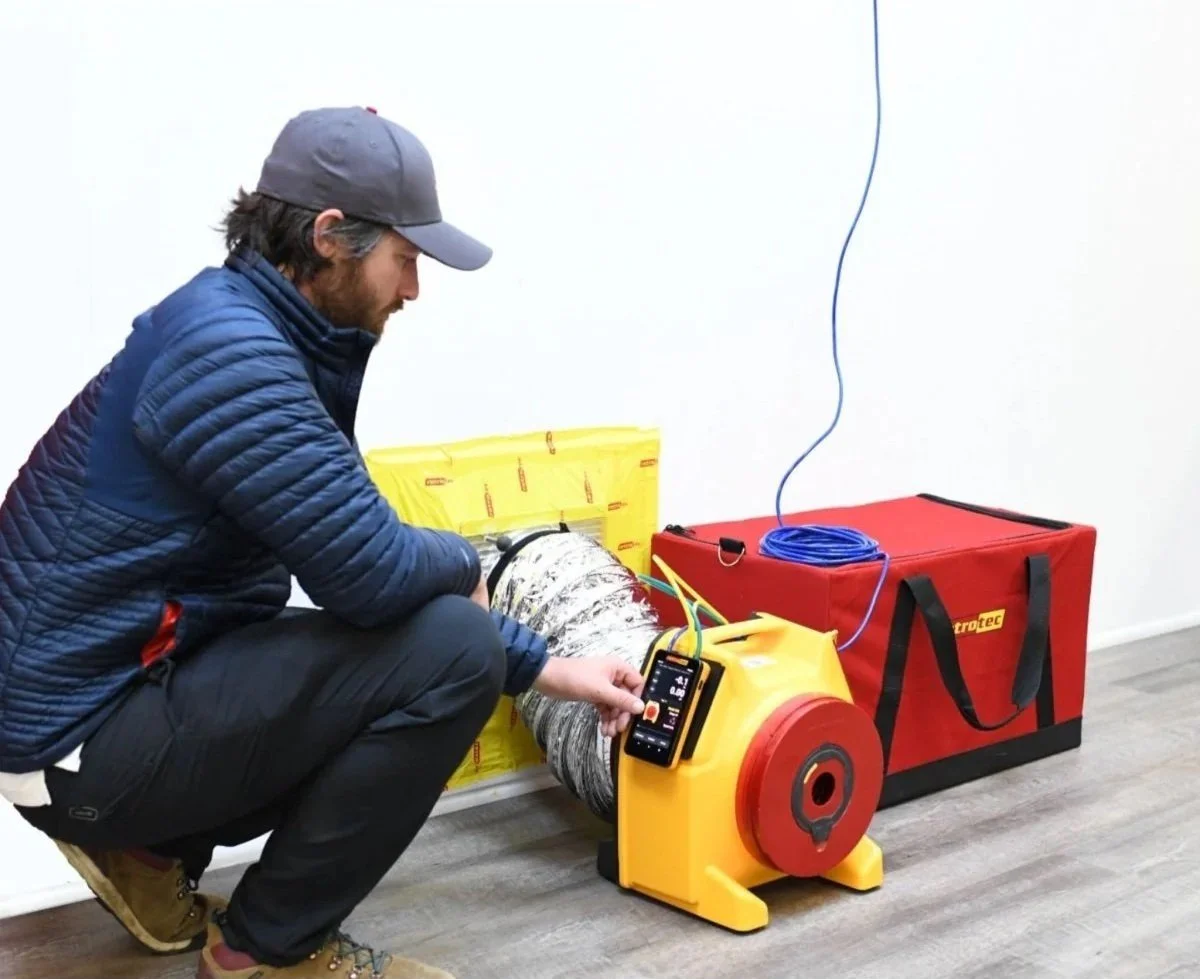
Ductwork leakage testing quantifies how much conditioned air is lost through HVAC ducts and impacts overall energy efficiency. Using a calibrated fan and pressure gauge, we locate leaks that can waste energy, reduce comfort, and strain HVAC equipment. Excessive duct leakage increases energy bills and creates uneven heating or cooling. Minimizing leaks improves indoor air quality, HVAC performance, and HERS Rating compliance with Massachusetts energy codes.
MECHANICAL VENTILATION TESTING & PERFORMANCE
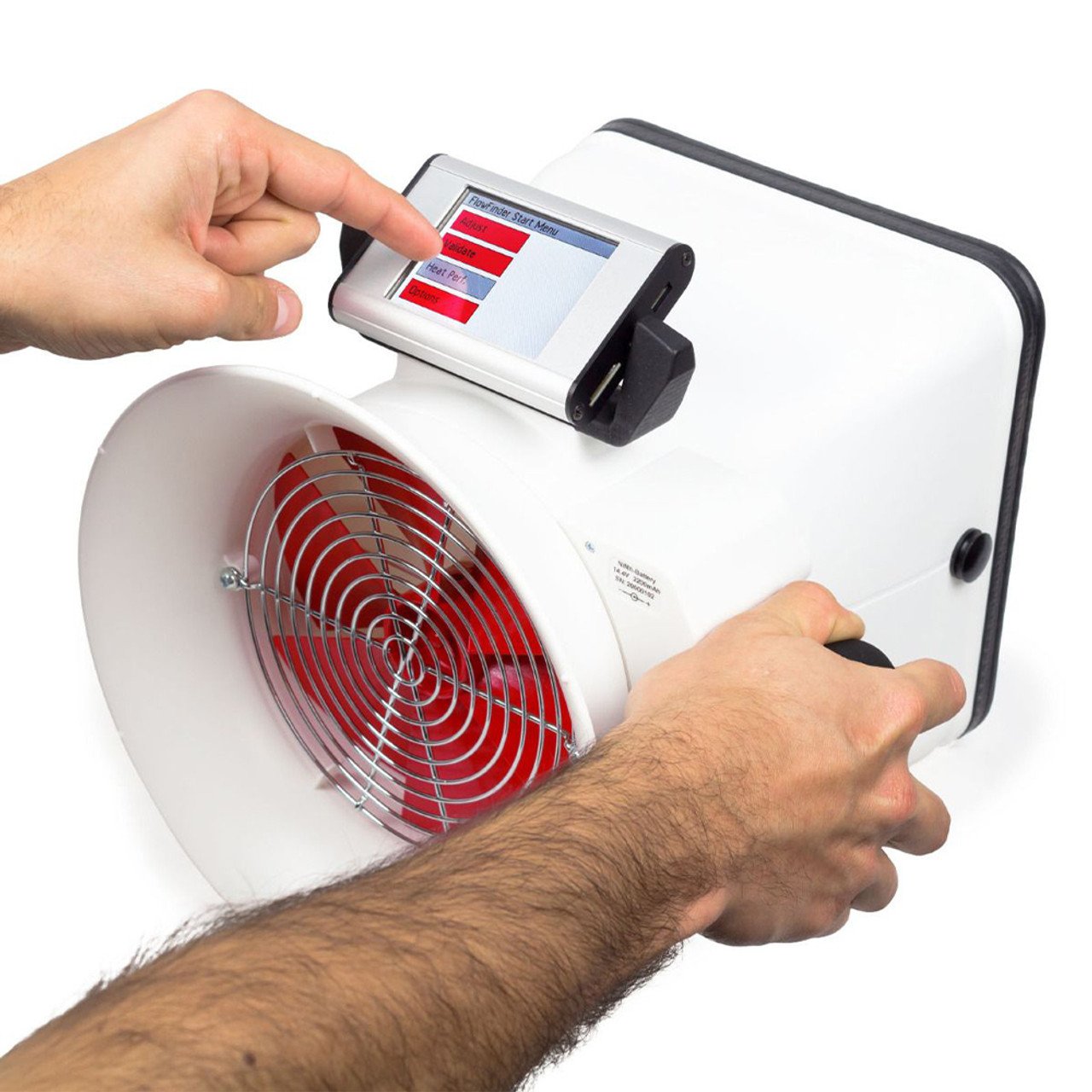
Mechanical ventilation testing verifies that whole-home balanced ventilation systems deliver the correct amount of fresh air while efficiently removing stale air. Using specialized flow measurement tools, we ensure supply and exhaust rates match design specifications, preventing energy waste. Balanced ventilation is critical for healthy indoor air quality, moisture control, and preventing pressure imbalances that cause drafts or inefficiencies. Accurate testing helps homeowners and builders achieve energy code compliance, improve comfort, and optimize system performance.
MECHANICAL VENTILATION TESTING
& PERFORMANCE
Mechanical ventilation testing verifies that whole-home balanced ventilation systems deliver the correct amount of fresh air while efficiently removing stale air. Using specialized flow measurement tools, we ensure supply and exhaust rates match design specifications, preventing energy waste. Balanced ventilation is critical for healthy indoor air quality, moisture control, and preventing pressure imbalances that cause drafts or inefficiencies. Accurate testing helps homeowners and builders achieve energy code compliance, improve comfort, and optimize system performance.
ROUNDING OUT
ENERGY EFFICIENCY
Building an energy-efficient home involves thoughtful attention to a variety of factors, including insulation, windows, lighting, appliances, and more. Each component impacts the home’s overall performance and energy use. We assess and quantify the elements below to ensure that your home is as efficient as possible, optimizing energy use and comfort throughout.
Insulation R-Values – Higher R-values improve resistance to heat transfer, enhancing efficiency and comfort by reducing heating and cooling loads.

Window & Door U-Factor and SHGC – Lower U-factors and optimized SHGC values help minimize heat loss in winter and limit heat gain in summer, improving energy performance.

Lighting – Energy-efficient lighting lowers overall electrical demand while improving illumination quality and longevity.

Appliances (Stove, Fridge, Washer, Dryer, Dishwasher) – High-efficiency models reduce energy, water consumption, and internal heat gain, while maintaining performance.

Location of HVAC, Hot Water Equipment & Ductwork – Placing equipment and ductwork within conditioned spaces reduces energy loss and improves system efficiency.

Solar – On-site solar generation can offset grid electricity use, lowering operational costs and increasing energy independence.

Water Distribution Lengths – Shorter runs reduce heat loss and improve hot water delivery efficiency, cutting down on energy and water waste.

Volume of the Home – A well-designed building envelope optimizes conditioned space, minimizing unnecessary energy demand for heating and cooling.
FREQUENTLY ASKED QUESTIONS
-
Home energy diagnostic testing measures how efficiently a house uses energy by evaluating key systems such as air tightness, ductwork, insulation, and ventilation. These tests provide actionable data to improve comfort, lower energy costs, and support accurate HERS ratings.
-
The core tests typically include:
Blower door testing – measures air leakage throughout the home
Duct leakage testing – ensures your HVAC system is delivering air efficiently
Mechanical ventilation testing – confirms proper airflow for comfort and indoor air quality
Insulation and envelope verification – checks that walls, ceilings, and floors meet energy code standards
-
Test results feed directly into the HERS energy model. Lower air leakage, efficient ductwork, and properly installed insulation can improve your home’s HERS score, making it more energy-efficient and code-compliant. Learn more on our HERS Ratings page.
-
Yes, in most cases. Blower door and duct leakage tests are generally required for new construction and major renovations under the Base and Stretch Energy Codes. Ventilation verification may also be required depending on the project type.
-
Diagnostic testing is typically performed at multiple stages:
Pre-construction modeling – to identify potential inefficiencies
Mid-point inspections – to verify systems during construction
Final inspections – to confirm the home meets energy code and HERS requirements
-
Absolutely. By identifying leaks, poorly performing ducts, and ventilation issues, diagnostic testing allows builders and homeowners to address inefficiencies before they become costly problems, resulting in a more comfortable, efficient, and durable home.
-
All tests are conducted by certified HERS Raters and energy professionals with experience in Massachusetts building codes and high-performance construction.
-
Diagnostic testing verifies critical home systems like air tightness, duct efficiency, and ventilation, which are required for Stretch and Specialized Energy Code compliance. Accurate measurements help builders meet performance targets.
-
Yes. Performing tests during the pre-construction and mid-point inspections allows builders to pinpoint issues like leaks, duct losses, or ventilation problems early, preventing costly fixes later and improving overall energy performance.
-
Blower door tests measure air leakage in the building envelope, while duct leakage tests ensure HVAC systems deliver conditioned air efficiently. Together, they directly impact comfort, energy savings, and HERS scores.
-
No. While required for most new builds and major renovations, diagnostic tests can also benefit retrofits or energy upgrades by identifying inefficiencies and guiding cost-effective improvements.
-
By revealing leaks, poorly performing ducts, and ventilation issues, these tests allow builders to correct problems, resulting in lower energy bills, more consistent temperatures, and better indoor air quality.